How Does Photo Retouching Affect the Quality and Realism of Portraits?
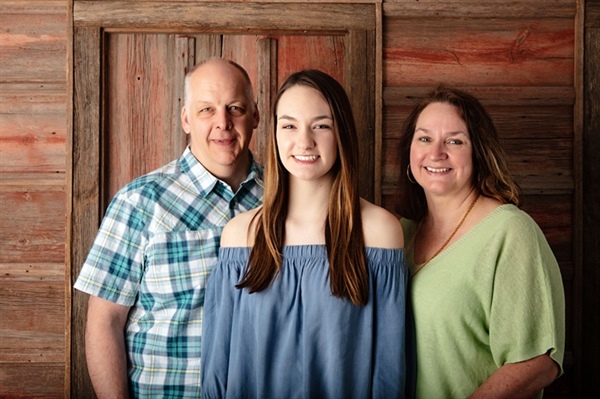
Photography has always balanced between artistry and authenticity, especially when it comes to portrait retouching. The question “How does photo retouching affect the quality and realism of portraits?” examines how editing can elevate an image’s aesthetic without compromising the subject’s natural features.
With the rise of digital photography, photo retouching has become both a creative tool and a potential risk — capable of refining details or, when overused, distorting reality. Modern editing allows for skin smoothing, blemish correction, and light adjustments, but the challenge remains: how far should editing go before it erases authenticity? At Kemmetmueller Photography, we address this balance with a refined approach, maintaining lifelike textures and tones that reflect each client’s individuality.
This article explores how editing influences portrait quality and realism through five critical questions: What distinguishes basic retouching from advanced editing? How can excessive editing affect client satisfaction? What ethical boundaries shape realistic photo enhancement? How do professionals preserve skin tone accuracy? And what software solutions produce the most natural results?
Whether perfecting senior portraits or fine-tuning lighting in family sessions, each section below reveals how expertise and restraint define professional results.
Understanding the Difference Between Basic Retouching and Advanced Editing
Basic retouching and advanced editing serve distinct purposes in portrait photography. Basic retouching addresses minor imperfections such as stray hairs, blemishes, or exposure inconsistencies. It aims to enhance the existing image while preserving all original features and maintaining the subject’s realism. Professional studios often rely on calibrated monitors to ensure color and exposure adjustments remain subtle and true to life.
Advanced editing, on the other hand, involves significant manipulation of the image. This may include altering body proportions, reshaping facial features, or applying complex compositing techniques. While these edits can produce striking visuals, they require precise control and ethical consideration to avoid distortion of the subject’s identity. Professional editors analyze light falloff, contrast curves, and tone mapping to maintain depth and dimension throughout the process.
In portraits such as senior portraits, balancing these two approaches determines the final impact. Advanced editing techniques can refine the mood and visual polish, but subtlety defines quality, ensuring the photo feels authentic rather than manufactured.
How Over-Editing Can Harm Client Satisfaction
Over-editing often leads to diminished trust between photographer and client. When skin becomes unnaturally smooth, eyes overly bright, or features reshaped, the final image can appear artificial. This disconnect undermines the emotional connection clients expect to see in their portraits. Studies in visual psychology suggest that viewers instinctively recognize manipulated facial features, which can reduce perceived authenticity and overall satisfaction.
Clients typically expect professional enhancement, not complete transformation. Photographers who exceed natural boundaries risk misrepresenting clients’ identities. Maintaining transparency in the editing process builds credibility and ensures expectations align with results. Each adjustment — from tone correction to texture smoothing — should support realism, not conceal it.
For family and lifestyle sessions, such as family portraits, excessive retouching can erase meaningful imperfections that define personal character. Subtle adjustments, combined with proper lighting and lens selection, yield more genuine outcomes that align with emotional storytelling.
Ethical Standards That Guide Realistic Photo Editing
Ethical photo retouching emphasizes authenticity, consent, and respect for the subject’s likeness. Professional standards discourage digital manipulation that alters body shape, skin color, or facial structure without explicit client approval. These guidelines stem from both artistic integrity and consumer protection frameworks, ensuring that edited images maintain truthful representation.
Industry organizations, such as the Professional Photographers of America (PPA), encourage adherence to codes of conduct that limit deceptive enhancement. Ethical editing preserves the intent of the original photograph while improving presentation quality. This principle ensures the photographer’s work remains credible, aligning the artistic vision with honest depiction.
In practice, ethical photo editing demands restraint. It focuses on improving technical aspects — sharpness, contrast, exposure — without imposing unrealistic beauty standards. Responsible professionals use editing as a tool to express artistic clarity, not to fabricate perfection.
How Professional Photographers Maintain Skin Tone Accuracy
Accurate skin tone reproduction requires both technical precision and color management discipline. Photographers begin by capturing images in consistent lighting conditions, often using color calibration tools such as X-Rite ColorCheckers to set reference values during post-processing. This ensures that skin tones remain balanced across varying lighting environments and display devices.
Color profiles, such as Adobe RGB and ProPhoto RGB, play a significant role in maintaining tone fidelity. Editors monitor histogram data and white balance to preserve natural hue transitions and avoid color clipping. The subtleties of undertones — warm, cool, or neutral — are adjusted using selective color corrections and hue/saturation controls within editing software.
Maintaining lifelike color reproduction aligns with the values of professional studios like Kemmetmueller Photography, where precise lighting and calibrated editing workflows ensure consistent, realistic portraits across diverse sessions.
Software Tools That Produce the Most Natural Results
Professional photo editors rely on high-end tools to achieve natural, balanced results. Adobe Photoshop remains the industry standard, offering advanced layer control, frequency separation, and selective masking for fine-tuned retouching. Lightroom complements this workflow by providing global color correction and exposure adjustments with non-destructive editing features.
Capture One Pro and Affinity Photo have also gained prominence for their advanced color grading capabilities and RAW processing accuracy. Artificial intelligence tools, such as Luminar Neo and Retouch4me, use neural networks to automate blemish removal and light correction while preserving texture. The key to realism lies not in the software itself but in the editor’s understanding of restraint and visual consistency.
For professionals seeking consistent, high-quality editing solutions, partnering with an experienced studio such as Kemmetmueller Photography ensures that every portrait retains natural vibrancy without compromising authenticity.
Professional Portrait Enhancement with Authentic Results
Kemmetmueller Photography combines technical mastery and artistic restraint to produce portraits that reflect genuine emotion and timeless quality. From controlled lighting environments to calibrated post-production workflows, each stage of our process is designed to preserve realism while refining presentation.
Our studio’s reputation rests on precision, transparency, and dedication to natural photographic artistry. Clients seeking polished yet authentic imagery can contact us for consultations or booking information!