How Do Photographers Manage Large-Scale Event Photography Without Missing Key Moments?
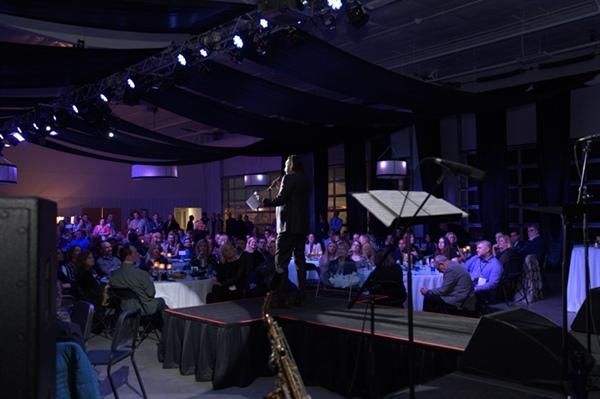
Covering a large-scale event requires more than just a camera and a sharp eye. It demands structure, preparation, and experience. Professional photographers must manage complex environments with moving subjects, variable lighting, and tight timelines.
The key to success lies in strategic planning, technical readiness, and seamless team coordination. At Kemmetmueller Photography, extensive experience with corporate galas, sports tournaments, and public events has refined these methods to a precise standard of excellence. For anyone managing event photography at scale, understanding how professionals keep control amid the chaos is essential.
This article explores how photographers handle large-scale event coverage without missing critical moments. We’ll discuss the tools and coordination methods that make live coverage possible, the techniques that bring authenticity to fast-moving scenes, and the workflows that optimize turnaround times. These five areas — from equipment setups to lighting challenges — reveal the process behind delivering consistent, high-quality results in dynamic environments!
Choosing the Right Equipment Setups for Live Event Coverage
Live event photography requires versatile and reliable equipment setups. Professionals typically use dual-camera systems to switch between telephoto and wide-angle lenses without losing time.
Full-frame DSLR and mirrorless bodies are favored for their low-light performance and speed. A 70–200mm f/2.8 lens covers stage shots and distant interactions, while a 24–70mm f/2.8 lens handles mid-range coverage. High-capacity memory cards and redundant storage systems are standard practice to prevent data loss.
External flashes with diffusers or bounce modifiers provide control in mixed lighting conditions. Some professionals employ off-camera flash systems or continuous LED panels to maintain consistency throughout indoor venues. Wireless triggers and light stands make it possible to adapt to multiple areas of the event quickly. Proper stabilization — monopods or gimbals — ensures clarity in fast-paced coverage.
For comprehensive coverage, redundancy is vital. Backup bodies, batteries, and storage are always ready. Event specialists maintain equipment checklists to avoid technical interruptions. These setups support uninterrupted coverage for every key moment during event photography.
Coordinating Multiple Photographers at an Event
Large-scale events often require a team of photographers. Coordination begins with pre-event briefings outlining coverage zones, key subjects, and timing sequences. Professionals often use shared shot lists and synchronized communication channels, such as walkie-talkies or group chat systems, to maintain situational awareness. This ensures complete coverage of all areas without duplication.
Each photographer is typically assigned a defined responsibility — for example, one covering guest reactions, another focusing on VIPs or the main stage. The team leader manages overall direction and real-time adjustments based on the event’s flow. Scheduling overlapping coverage for major moments provides backup if technical or positional limitations occur.
Modern workflow systems allow teams to tag and share metadata during the event. This speeds up cataloging and editing post-event, ensuring that every angle is properly documented by the coordinated team from Kemmetmueller Photography.
Capturing Candid Moments in Fast-Paced Settings
Candid photography thrives on timing and anticipation. Professionals train themselves to predict human reactions — laughter, surprise, emotion — and position themselves strategically to capture them unobtrusively. Silent shooting modes and prime lenses with wide apertures help minimize distractions while maintaining image quality in low-light environments.
Photographers also rely on continuous autofocus and burst mode to capture subtle expressions during fleeting interactions. These sequences allow editors to select the perfect frame that embodies the subject’s natural demeanor. Familiarity with event timelines helps anticipate emotional peaks, such as award announcements or speeches.
Lighting is often inconsistent, requiring manual exposure adjustments and selective use of bounce flash or reflectors. Proper planning ensures that authentic, unscripted moments are documented with precision and clarity, showcasing the story behind the event.
Optimizing Event Photo Delivery for Turnaround Time
Fast turnaround is critical for client satisfaction and marketing deadlines. Professionals implement structured post-production workflows that begin during the event itself. Photographers use dual memory card recording — one for immediate upload and one for backup — enabling editors to begin sorting images while the event continues. Tethered shooting solutions streamline this process by transferring files directly to editing stations.
Editing teams use software such as Lightroom or Photo Mechanic to batch-tag, color-correct, and sort thousands of images efficiently. Preset color profiles maintain consistency across the collection. Cloud-based platforms then allow for simultaneous editing and client preview, minimizing delivery time.
Managing Lighting and Movement Challenges in Event Photography
Lighting control and subject movement represent two of the most significant challenges in event photography. Changing ambient light levels require constant adjustment to ISO, aperture, and shutter speed. Professionals often rely on manual exposure control and real-time histogram monitoring to avoid clipping highlights or losing shadow detail. When environments shift between artificial and natural light, white balance presets are adjusted dynamically.
Movement management depends on predictive focus and shutter techniques. Tracking autofocus systems allow photographers to follow fast-moving subjects without losing sharpness. A combination of short shutter speeds and image stabilization ensures that the motion feels dynamic but controlled.
How Kemmetmueller Photography Excels at Large-Scale Event Coverage
Kemmetmueller Photography combines planning, precision, and artistry to manage complex event environments. Whether covering national conferences, concerts, or community events, our team applies tested frameworks for coordination, lighting, and rapid post-production.
Clients can always reach our team at 952-473-2142 or contact us directly online to schedule an initial consultation!